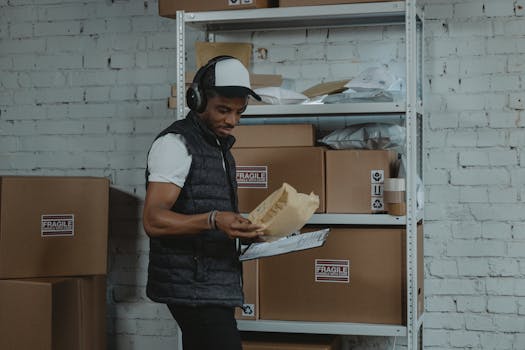
Work days at warehouses are never identical. Searching for warehouse jobs near me uncovers a world where every shift can bring something new and worth learning.
People from all backgrounds look for steady pay, practical skills, and growth. The need for reliable staff continues, so opportunities stay strong in most local regions.
This article clues you in on warehouse environments, application strategies, real hiring steps, and ways to land the right warehouse role near you—starting today.
Building a Clear Picture of Warehouse Work
Understanding what happens in a warehouse helps you decide if these jobs fit your style and needs. You’ll walk away knowing what to expect each shift.
When you type warehouse jobs near me, you’ll find diverse work—from inventory counting to equipment driving. Knowing what matches your interests makes each search more purposeful.
Physical Demands That Shape Your Workday
The first thing you notice stepping onto a warehouse floor: activity everywhere. Workers lift, stock, and move at a steady, measured pace to keep the flow moving.
Attention to body mechanics reduces aches. A coworker might say, “Lift with your legs, not your back,” while demonstrating, then watch as you repeat the motion for feedback.
Certain shifts push your endurance, but many workers find the activity energizing. Tracking your steps or stretching in breaks prevents fatigue by the afternoon.
Daily Operations in a Realistic Setting
Warehouse jobs near me may include managing incoming truck shipments, stacking boxes, and organizing goods for orders. Each worker handles a defined section and set of tasks daily.
Clear checklists guide you: “Scan twelve items, restock shelf 9A, update tablet with new stock.” Straightforward routines define most shifts and promote on-the-job learning.
Visual systems—like colored tape or signs—show where items go instantly. New employees shadow veterans until they repeat tasks confidently and ask fewer questions.
| Role | Main Task | Key Skill | What To Do Next |
|---|---|---|---|
| Picker/Packer | Filling orders | Attention to detail | Practice reading labels at speed |
| Loader | Moving freight | Physical stamina | Stretch before each shift |
| Stocker | Replenishing shelves | Organization | Prioritize item locations daily |
| Forklift Operator | Lifting pallets | Machine skills | Request additional training |
| Quality Checker | Inspection | Focus on process | Follow written protocols closely |
Preparing for Warehouse Job Applications
The right steps prepare you to apply when searching warehouse jobs near me. Following a checklist removes uncertainty and builds confidence.
Many applicants overlook essentials. A crisp resume, work-appropriate shoes, and a basic understanding of on-the-job rules all improve your chances immediately.
Crafting a Warehouse-Ready Resume
A smart resume highlights reliability and physical readiness. Someone might say, “I never missed a shift,” or “I learned inventory systems fast,” then back it up with job dates.
Showcase past productivity, safe equipment use, or teamwork. Use numbers: “Handled 500 orders daily; maintained 99 percent accuracy.” Be concise and honest, focusing on daily duties.
- Write strong action verbs first—like sorted, loaded, stocked—because they signal efficiency.
- List specific machinery operated, so hiring managers picture you in the role.
- Highlight shift flexibility and punctuality, as these traits matter for warehouse jobs near me searches.
- Include personal achievements: “Employee of the Month” or accident-free records demonstrate reliability.
- Keep the layout tidy to be noticed quickly by scanners or real people in recruiting.
Re-reading every line out loud spots errors fast. Save your file in PDF format to avoid formatting glitches during uploading.
Gathering References and Work Documents
Warehouses want people whose references respond quickly. It’s best to contact two former managers now and ask, “Will you vouch for my attendance and teamwork skills?”
Ready-to-send scanned copies of past pay stubs or an ID can reduce onboarding time. You may also need proof of forklift training or familiarity with specific tools.
- Collect reference contacts who answer calls outside business hours, because some HR calls happen early or late.
- Prepare your ID and Social Security card, since new employers check your eligibility right away for warehouse jobs near me.
- Ask previous supervisors to provide a quick reference email, stating strengths in punctuality or adaptability.
- Store all documents in a single digital folder—easy to send if hiring managers reply by email or require uploads.
- Have certificates for any machinery training available, speeding up placement if the workplace uses advanced tools.
Being organized lets you apply to multiple roles quickly. You avoid scrambling when the right opportunity appears.
Pursuing Certification and Specialized Training
Adding credentials can set you apart in warehouse jobs near me searches. Forklift licenses, OSHA training, or safety badges boost applications dramatically in most cities.
Short, focused online courses or in-person classes cost less than many expect. Managers sometimes reimburse these costs after hiring, especially for critical skills.
Securing Your First Forklift License
Courses teach you more than levers; instructors demonstrate steadiness and methodically explain hand signals for team safety. “Three quick beeps means backup,” you’ll hear in training sessions.
After classroom lessons, practice drives simulate congested aisles. Instructors check your setup, then cheer small wins: maneuvering between pallets without nudging boxes or racks.
Test day scenarios focus on real-world moves like lifting fragile or overweight loads. Practicing the skills just learned builds confidence for interviews and first job days.
Building Safety Skills With OSHA Programs
Warehouse jobs near me with safety priorities look for OSHA training. Workers memorize accident-prevention techniques: always keep aisles clear, signal when stacking, and wear high-visibility vests daily.
During group drills, teammates coordinate around hazard signs and uneven flooring. Someone might remind, “If it looks off, stop and report,” reinforcing a speak-up culture.
Certificates from short OSHA classes can be scanned and emailed immediately to employers as proof of readiness for a fast hiring process.
Understanding Schedules, Shifts, and Seasonal Demand
Warehouse jobs near me operate on set shifts—morning, afternoon, or overnight. Each rhythm impacts your energy patterns, daily plans, and income across the month.
Many warehouses step up hiring during the holidays or big sales events. Temporary surges create chances for extra hours, full-time offers, or cash bonuses.
Juggling Personal Schedules With Shift Work
Some people thrive on early morning routines: punch in at 5:30 AM, sip coffee, then pack orders as the building fills with energy and new shipments.
Others value late shifts; the pace is quieter, rules are strict, but focused workers finish tasks early and leave with time to recharge before dawn.
Using a calendar or app, set alarms for start times and meals. Always confirm your shift a day in advance—especially if job descriptions mention rotating hours.
Anticipating Overtime and Seasonal Surges
Overtime offers more pay, but also more responsibility and increased safety focus. Supervisors track break schedules to prevent fatigue during long shifts or end-of-year rushes.
Short-term assignments introduce you to new co-workers and supervisors, potentially leading to recommendations for permanent spots or higher wages next hiring cycle.
Ask about seasonal bonus policies during an interview: “What’s the typical overtime rate, and how do I qualify after onboarding?”
Navigating the Warehouse Application Process Step by Step
Applying for warehouse jobs near me feels routine with a step-by-step approach. You can predict what’s coming and prepare for faster, smoother progress in every location.
Expect applications to focus on availability, work eligibility, basic math or literacy, and occasionally a short video introduction or skills quiz.
- Start by bookmarking local job boards—these filter open roles near you and highlight new shifts quickly.
- Check employer websites daily for real-time listings, especially large warehouses that fill positions in hours.
- Fill out basic contact details and recent experience accurately—it speeds up reference checks before interviews.
- Prepare to take an online quiz on warehouse terminology; terms like picking, staging, or cross-docking show you understand the job’s basics.
- Track your applications in a notebook or spreadsheet—jot down roles applied for, date, and which warehouse contacted you next.
Completing the process for warehouse jobs near me means readiness for quick follow-ups. Phone screens or video interviews frequently happen within days of applying in most regions.
Scripting Answers for Common Interview Scenarios
Many hiring managers begin with, “Tell me about a time you solved a workplace problem.” Have a real story, such as organizing mislabeled stock to prevent delayed orders.
Use concrete details—names, tasks, numbers—to prove reliability. “I was on a four-person night crew. We met our target every night for three straight weeks.”
Show awareness of warehouse rules: “I always review posted safety signs and ask for clarification to avoid mistakes on new tasks.”
Growing Your Warehouse Career Beyond the Entry Level
Warehouse jobs near me aren’t static roles. Putting effort into your daily tasks, learning team processes, and attending trainings boosts your trajectory throughout the year.
Many employers post advancement paths: Lead, Trainer, Supervisor. A typical script for a new Lead is, “Can you help orient new staff this week?” Say yes, then track outcomes.
Identifying Advancement Opportunities
Volunteer for extra tasks beyond your usual area, like hopping on returns processing or helping manage break schedules. Each act shows initiative to team leaders.
After a successful team project, send a thank-you note to your supervisor, citing what you learned. This builds your case for future internal recommendations.
Seek out short internal workshops—many are led by senior coworkers who remember your reliability when considering you for new roles.
Building Recognition for Good Work
Keep a personal notebook tracking each milestone or compliment: “Supervisor praised my accuracy on order 1832.” These notes are powerful during annual reviews or pay raise meetings.
Share skill-building goals with managers in regular chats. Try, “I’d like to cross-train in receiving next quarter—can I sign up?”
When offered, join safety committees or peer training programs, further expanding your reputation as a trustworthy, growth-minded employee in warehouse jobs near me.
Final Thoughts on Finding Warehouse Jobs Near You
Warehouse jobs near me present steady, practical careers for everyone willing to move, learn, and follow clear steps. Preparation now leads to faster job starts and professional growth.
People thrive in these roles by adapting their routines and taking small daily actions—checking shift schedules, practicing interview answers, or noting personal achievements on the job.
Stay engaged with job boards, refresh your resume monthly, and always reach out for feedback. The habits built now turn each application into a stronger step toward your next warehouse role.