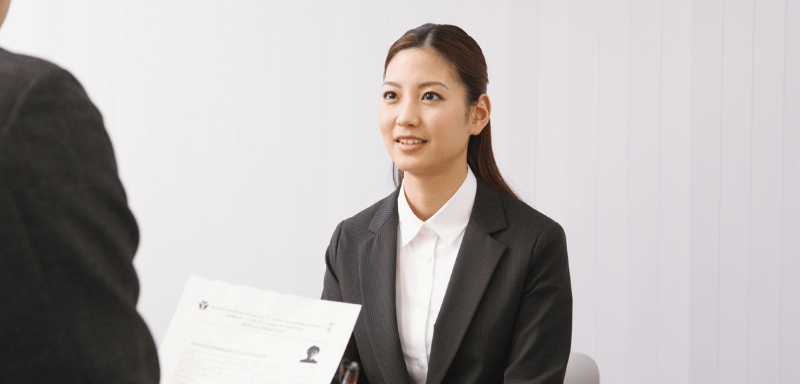
Landing an interview can feel like a triumph, but your preparation doesn’t end there. Choosing the right interview outfit instantly sets a positive tone before you introduce yourself.
Your appearance shapes first impressions long before any conversation. Clothing, fit, and even small accessories play a bigger role in interview success than most people realize.
Read on for proven strategies, practical tips, and realistic outfit examples to help you select an interview outfit that speaks to your confidence and professionalism.
Choosing Attire That Matches Company Culture Delivers Immediate Credibility
Aligning your interview outfit with the workplace culture demonstrates respect and readiness. Matching the level of formality sends an immediate signal that you fit the environment.
If you’re unsure whether the company leans formal or business casual, researching ahead saves stress. With the right insights, your interview outfit bridges the gap confidently.
Research Details in Advance for Peace of Mind
Visit the company’s website and social pages. Look for group photos or videos. Notice if jackets, dresses, or jeans appear typical, and use this as your starting guide.
You could ask your recruiter directly: “Would business attire or business casual best reflect your workplace culture for an interview outfit?” This shows thoughtfulness and initiative.
Observation prevents common mistakes. If you see tech teams in clean sneakers and blazers, your interview outfit can mirror that balance rather than defaulting to a black suit.
Adapt Examples Across Popular Industries
Corporate offices appreciate tailored suits in navy or charcoal, paired with subtle ties or blouses. Finance firms value tradition, so a crisp, conservative interview outfit will always impress.
Creative agencies welcome smart-casual layers—think clean, dark jeans with a pressed shirt and a stylish blazer. Your interview outfit can reflect creativity without excess flash.
For retail or hospitality, opt for approachable polish: simple dresses with clean lines or slacks with a solid button-down. Your goal is an interview outfit that looks inviting yet sharp.
| Industry | Typical Attire | Accessories | What to Do Next |
|---|---|---|---|
| Corporate (Finance/Law) | Dark Suit, White/Light Shirt | Leather Shoes, Minimal Jewelry | Choose a conservative interview outfit for maximum impact |
| Tech | Blazer, Button-Down, Slacks | Polished Sneakers or Loafers | Pair a semi-formal interview outfit with smart accessories |
| Creative Fields | Smart Casual Layers | Subtle Personal Touches | Add a creative twist to a standard interview outfit |
| Retail & Hospitality | Simple Dress/Pressed Slacks | Comfortable, Neat Shoes | Opt for a friendly, welcoming interview outfit |
| Healthcare | Clean, Classic Business Attire | Bare Minimum Accessories | Show reliability and hygiene with your interview outfit |
Building Blocks: Foundational Pieces for Any Interview Outfit
Establishing a reliable wardrobe framework lets you adapt for different industries with ease. Well-fitting basics form the backbone of a standout interview outfit every time.
Quality matters more than quantity: two or three key garments carry you through multiple interviews with minimal stress and consistent style.
Shirts, Tops, and Blouses that Speak Professionalism
Stick with colors like white, light blue, or subtle patterns. These shades project reliability without distraction and work with nearly any interview outfit, regardless of industry.
Ensure collars sit flat, seams align on shoulders, and cuffs reach your wrist comfortably. Wrinkled or ill-fitting tops can undermine the effort invested in an otherwise polished interview outfit.
- Select button-down shirts in breathable cotton for lasting comfort during interviews—especially important for multi-stage days and summer weather.
- Pick blouses without ruffles or embellishments—simple details keep your interview outfit professional and draw attention to your face, not your clothes.
- Avoid sheer or translucent materials by layering nude-toned camisoles or tank tops beneath lighter blouses. This keeps the focus on your interview answers, not distractions.
- Double-check for missing buttons and secure hems prior to getting dressed. Quick fixes on laundry day save your interview outfit from last-minute stress.
- Pair each top with slacks, skirts, or dress pants for seamless combinations you can rely on no matter the interview type.
A strong collection of tops simplifies the creation of your next ideal interview outfit while building professional versatility for future roles.
Suiting Options with Flexibility
Having one well-tailored blazer and matching pants or skirt gives any interview outfit instant structure and confidence—even if you won’t wear a full suit for every meeting.
You can mix a navy blazer with gray pants or keep a jacket in your car for on-the-fly formality upgrades. Investing in classic, neutral colors maximizes options.
- Choose a two-piece suit in wool or blend fabrics for year-round durability and style versatility. Proper care extends the life of your interview outfit significantly.
- If unsure, match jacket and bottoms for visual unity—matching sets always look purposeful and cohesive in a first impression context.
- Upgrade the look with tasteful accessories, like a slim belt or sleek watch, rather than bold jewelry that may distract.
- Get alterations for sleeves, pant hems, and jacket fit. Small adjustments transform an off-the-rack suit into a personalized interview outfit instantly.
- Rotate blazer-and-bottom combos by changing shirts and shoes for each interview, saving time while maintaining variety in your outfit choices.
Effective suiting gives peace of mind that your interview outfit remains sharp and adaptable, regardless of role or environment shifts.
Fine-Tuning: Accessories, Shoes, and Grooming for Lasting Impact
The right finishing touches—accessories, shoes, and grooming—complete any interview outfit with subtlety and care. Each element ensures your look feels finished, not thrown together.
Treat accessories and details as punctuation marks. A polished interview outfit needs these accents to reinforce professionalism and your personal brand.
Accessorizing for Subtle Individuality
Your interview outfit can reflect personality through minimal, intentional accessories. A classic watch, a single pendant, or a pocket square can add character without distraction.
Stay within muted tones and clean lines; avoid bright or noisy pieces that might shift focus. Accessories must be practical—avoid fidgety bracelets or rings that demand adjustment mid-interview.
Before leaving home, ask this: if a stranger saw me, would the accessories highlight my professionalism or overtake my interview outfit? Edit as needed for subtlety.
Shoe Selection and Grooming Habits
Shoes anchor your interview outfit. Choose well-shined oxfords, loafers, or closed-toe flats. Neutral shades like black, brown, or navy complement almost any attire while keeping a sharp finish.
Double-check for clean soles and unblemished leather or fabric. Avoid high heels over three inches or sneakers unless the role is explicitly casual and you’ve confirmed it’s appropriate.
Grooming also matters: clean nails, neatly combed hair, and fresh breath support your interview outfit’s impact. Carry mints, a comb, or a travel lint roller for last-minute touch-ups.
Fitting the Part: Tailoring and Comfort Strategies for Interviews
Ensuring your interview outfit fits right builds confidence throughout the process. Clothing that moves with you—never against you—helps you appear relaxed and ready.
Movement is key for interviews where standing, walking, or gesture play a large role. Stretch fabrics and professional tailoring bridge style with everyday practicality.
Make Alterations Routine
Don’t wait for big career moments to tailor your interview outfit. Regular adjustments guarantee you always have one ensemble that fits perfectly for any interview scenario.
When trying on clothes, stand, sit, and walk around. Jackets should stay closed; blouses shouldn’t gape or pull. Minor tweaks make major differences in interview comfort.
If you haven’t worn an item in months, revisit its fit before a big day. Even trustworthy pieces stretch or shrink over time, making last-minute tailoring checks vital for every interview outfit.
Comfort Inspires Natural Confidence
When your interview outfit feels right, you concentrate fully on conversation—not tugging at hems or adjusting waistbands. Confidence shows up in posture and voice when comfort is addressed from the start.
Moisture-wicking or lined fabrics reduce discomfort under stressful conditions. Choose undergarments that don’t bunch or show lines for a distraction-free presentation.
Reliable comfort means energy stays focused on questions and connection, not your clothes. Set out your full interview outfit the night before so you can start your day with ease.
Seasonal Tweaks that Keep Your Interview Outfit Fresh and Appropriate
Matching your interview outfit to the season demonstrates your ability to adapt practically while maintaining standards. Warmth or coolness in attire matters for both comfort and situational awareness.
Prepare options for unpredictable weather with subtle swaps—such as layering or exchanging materials—so your interview outfit suits the season without fuss.
Spring and Summer Strategies
Lightweight wools, cottons, and linens form breathable bases for any professional interview outfit during hotter months. Avoid short sleeves unless clearly suitable for the company culture.
Pale shades and lighter neutrals keep temperatures down while maintaining polish. Keep a blazer handy for air-conditioned offices or more formal interview schedules.
Socks and shoes should still appear neat and closed-toe. Select perspiration-resistant undershirts to prevent visible marks and fully support your interview outfit’s visual appeal.
Fall and Winter Adjustments
Switch to heavier knits and lined jackets or wool trousers for insulation without bulk. Layering smartly—a thin turtleneck under a jumper or blazer—creates a sharp, season-ready look.
Select coats or trench jackets in classic navy, black, or camel for outerwear that complements your interview outfit, rather than undermining it with bright or sporty designs.
Scarves, gloves, and subtle hats are acceptable in cold climates, provided they’re removed before entering the interview room to maintain professionalism throughout your approach.
Quick Fixes and Confidence Boosters for Interview Day Success
Smart pre-interview steps breeze you past last-minute snags. Assembling your interview outfit the night before keeps your mind clear and schedule on track for the big day.
Effective routines—like checklist reviews and a rehearsal walk—turn nerves into readiness. With every box ticked, your interview outfit speaks for you before you utter a word.
- Check the full interview outfit for stains or missing buttons, ensuring nothing distracts from your introduction or handshake.
- Lay out shoes, belt, and accessories the night before. Visualizing your finished interview outfit creates peace of mind when mornings become rushed or unpredictable.
- Pack backup items in your bag, such as a spare shirt and lint roller, giving you solutions instead of stress if you face the unexpected before your interview outfit shines.
- Perform a seated and standing mirror check. Comfort in every position helps eliminate mid-interview outfit fidgeting and maintains your focus on communication.
- Practice introducing yourself while wearing your interview outfit. “Hello, I’m Jordan Lee—thank you for seeing me today,” delivers composure and lets you embody confidence.
Concluding Insights: Carrying Confidence Beyond the Interview Room
Your well-chosen interview outfit lays the foundation for a confident performance. Each thoughtful decision today supports your ongoing professional development and growth.
Every detail of your interview outfit—fit, finish, and seasonal choice—demonstrates preparedness and care for the role you seek, helping you make your best impression first.
Continue to refine your interview outfit based on feedback, new industry trends, and evolving goals. Small changes now lead to big results in your future opportunities.